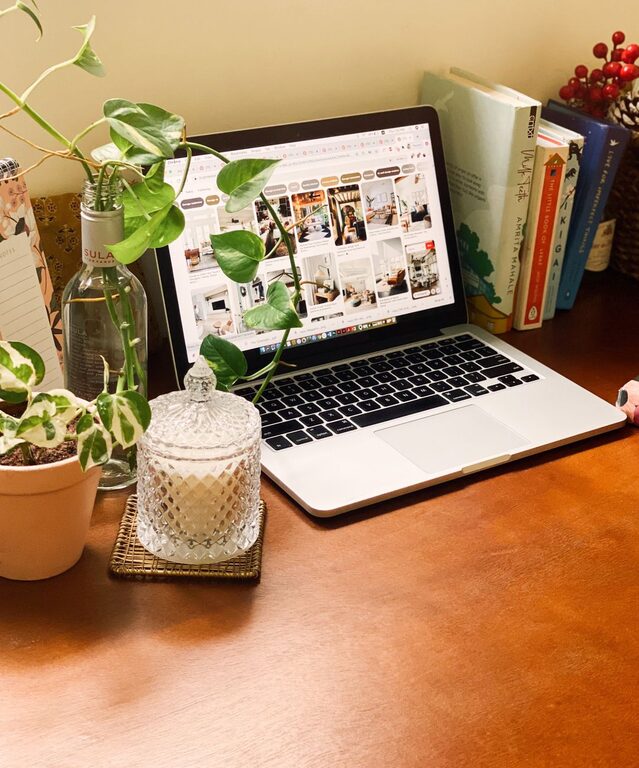
Creating a cozy and inviting home workspace can make a huge difference in your daily productivity and overall happiness. Whether you work from home full-time, manage a side hustle, or simply need a place to organize your personal projects, having a space that feels comfortable and inspiring can boost your focus and creativity. This guide offers practical tips to help you design a workspace that feels welcoming and supports your best work.
Why a Cozy Workspace Matters
When your workspace feels inviting, you’re more likely to enjoy spending time there. Comfort reduces distractions and stress, while thoughtful organization helps you stay efficient. Plus, a space that reflects your personal style can make work feel less like a chore and more like a part of your life you look forward to.
Choosing the Right Location
Consider Natural Light
If possible, set up your workspace near a window. Natural light helps reduce eye strain, improves mood, and keeps you energized throughout the day. Avoid direct glare on your screen by positioning your desk at a slight angle to the window.
Find a Quiet Spot
Choose a location with minimal noise and traffic to maintain focus. If quiet is hard to come by, consider noise-canceling headphones or a white noise machine to create your own bubble of calm.
Comfortable and Supportive Furniture
Invest in a Quality Chair
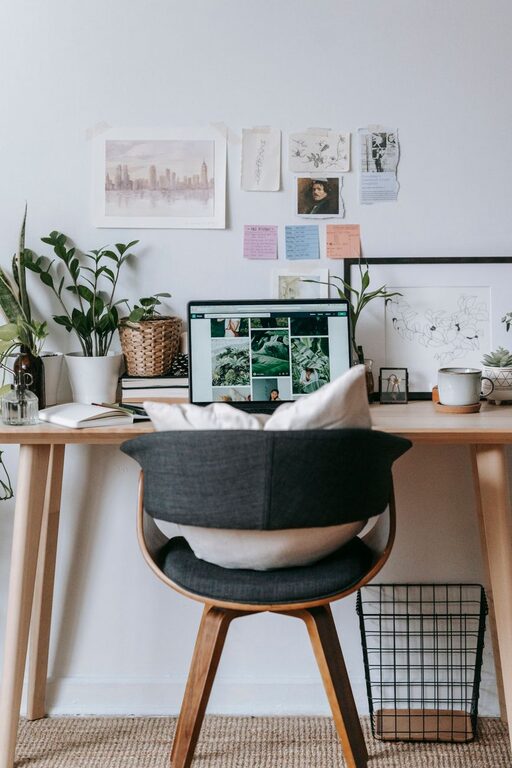
A comfortable chair with good back support is essential. Look for adjustable features that let you customize height and tilt to fit your body perfectly. Proper seating helps prevent fatigue and back pain.
Choose the Right Desk
Select a desk that fits your space and your needs. It should be the right height to keep your wrists comfortable and allow for plenty of workspace. Standing desks or adjustable desks can offer flexibility and encourage movement.
Personalize Your Space
Add Warm Textures
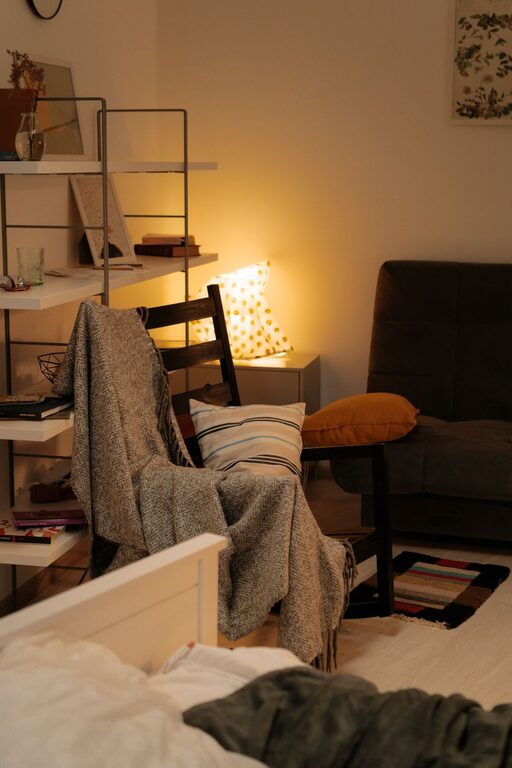
Incorporate soft elements like a cozy throw blanket, a cushioned seat pad, or a small rug. These textures warm up the space and make it feel inviting.
Use Colors You Love
Choose paint, decorations, or accessories in colors that make you feel calm and focused. Soft neutrals are relaxing, while pops of color can energize and inspire creativity.
Display Meaningful Items
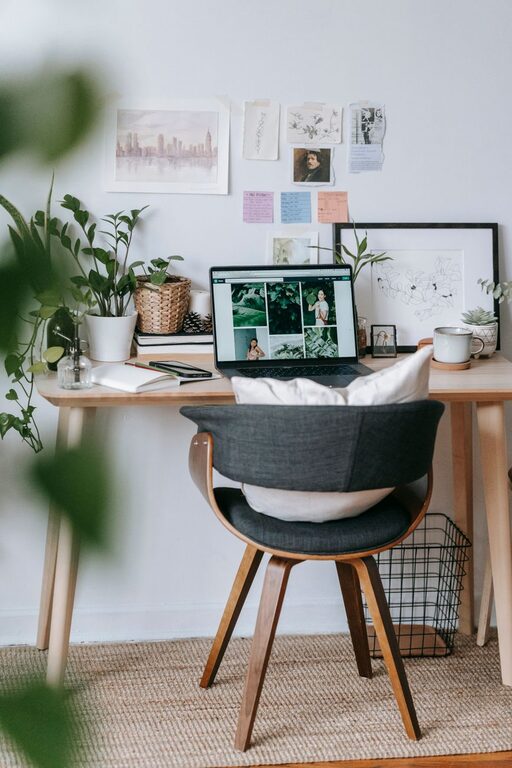
Surround yourself with photos, artwork, or objects that motivate you. These personal touches make the workspace feel uniquely yours.
Organize Efficiently
Declutter Regularly
A tidy workspace helps clear your mind. Take a few minutes each day to put away papers and tools you’re not using.
Use Storage Solutions
Invest in shelves, bins, or drawer organizers to keep supplies accessible but out of the way. Label containers for easy retrieval.
Keep Essentials Handy
Store frequently used items like pens, notebooks, or chargers within arm’s reach to minimize interruptions during work.
Enhance Lighting
Layer Different Types of Light
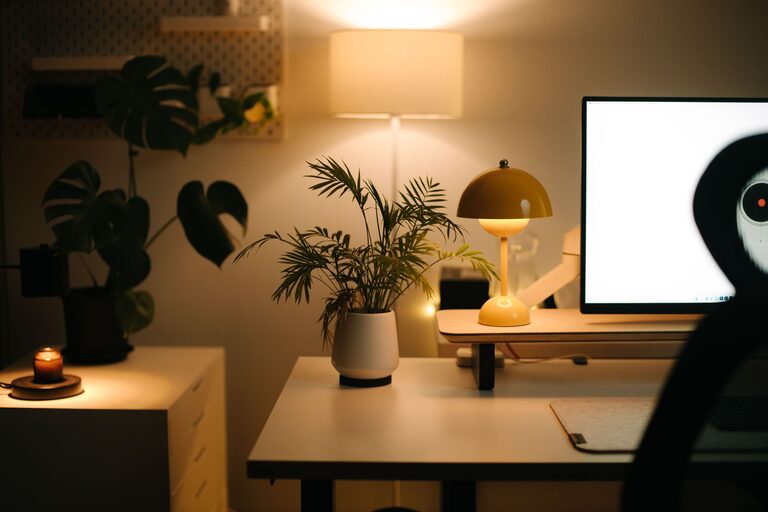
Combine ambient lighting (like ceiling lights) with focused task lighting, such as a desk lamp. Good lighting reduces eye strain and sets the right mood.
Choose Soft Warm Bulbs
Bulbs with warm tones help create a relaxing atmosphere, making your workspace feel cozy rather than harsh and sterile.
Incorporate Greenery
Add Plants
Plants not only brighten up a room but also improve air quality and reduce stress. Choose low-maintenance varieties like succulents or pothos if you’re new to plant care.
Use Natural Elements
Wood, stone, or woven baskets add organic warmth and can make your workspace feel more grounded.
Maintain Good Air Quality and Comfort
Control Temperature
Make sure your workspace is comfortable in terms of temperature. Use a fan, heater, or open a window as needed to maintain fresh air circulation.
Reduce Noise and Distractions
Aside from location and noise-canceling tools, consider soft textiles like curtains or rugs to absorb sound.
Incorporate Break Space
If possible, create a small area nearby with a comfy chair or cushions where you can take short breaks. Stepping away for a moment helps refresh your mind and improves long-term productivity.
Final Thoughts
Designing a cozy and inviting home workspace is about balancing comfort, functionality, and personal style. Make choices that support your work habits and nurture your well-being. Small changes can lead to big improvements in how you feel and perform every day.
Take your time to personalize your space—it should be a place you enjoy spending time in, ready to inspire your best work.
About the Author