Creating a home office that feels both cozy and functional can significantly enhance your productivity and well-being. Whether you’re working remotely, managing household tasks, or pursuing creative projects, a well-designed workspace can make all the difference. Here are some practical tips to help you design a home office that is inviting, efficient, and tailored to your needs.
1. Choose the Right Location
Consider natural light and quietness
Start by selecting a dedicated area in your home for your office. Ideally, pick a spot with plenty of natural light, which can boost mood and reduce eye strain. A quiet corner or a spare room away from busy household areas helps minimize distractions.
Assess your space needs
Think about how much room you require for your work essentials. A compact desk may suffice for a laptop and notebook, but if you use multiple screens, printers, or creative tools, opt for a larger space.
2. Invest in Comfortable and Ergonomic Furniture
Ergonomic chair and desk
Comfort is crucial for long work hours. Invest in a chair that supports your back and encourages good posture. Adjustable chairs and desks help customize your setup to your body’s needs.
Functional desk layout
Choose a desk with enough surface area to accommodate your equipment and allow some workspace for writing or organizing documents.
3. Personalize with Cozy Touches
Add textiles and soft furnishings
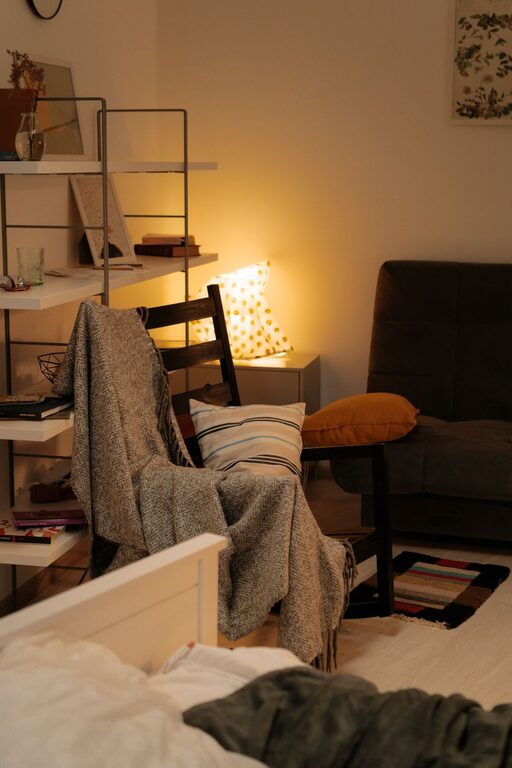
Incorporate rugs, cushions, or throws in your office to create warmth and softness. These elements can also add color and personality to your workspace.
Use warm lighting
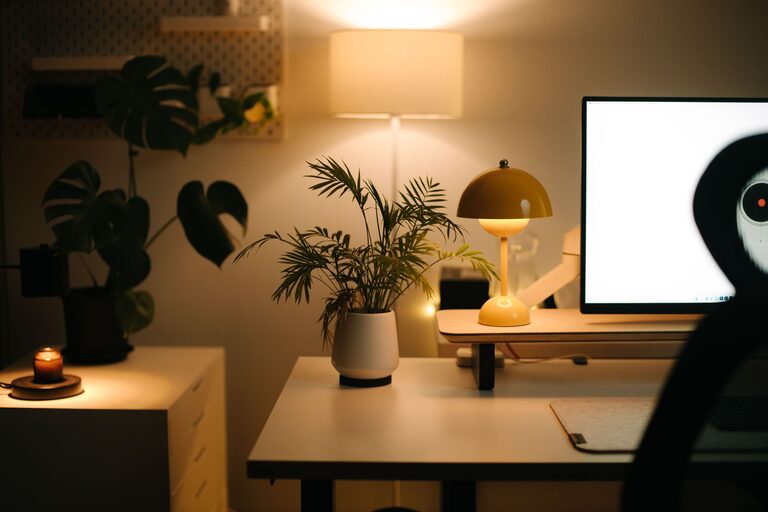
Overhead lighting can be harsh. Try desk lamps or floor lamps with warm bulbs to create a comfortable ambiance that reduces eye strain.
4. Organize Efficiently to Minimize Clutter
Use storage solutions
Shelves, filing cabinets, and storage boxes keep your workspace tidy and organized. Label containers to easily find important documents or supplies.
Implement a daily declutter routine
At the end of each workday, spend a few minutes putting away items to maintain a clutter-free environment, which supports focus and clarity.
5. Incorporate Greenery and Natural Elements
Add houseplants
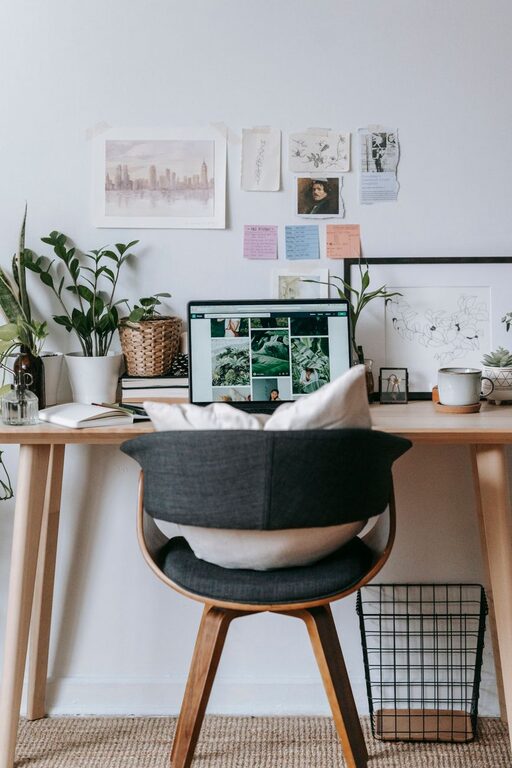
Plants improve air quality and add a refreshing touch of nature. Choose low-maintenance options like succulents, snake plants, or pothos to brighten your space.
Use natural materials
Decorate with wood, stone, or woven baskets to bring earthy textures into your office, contributing to a calming atmosphere.
6. Optimize Technology Setup
Manage cables neatly
Use cable organizers or clips to keep cords untangled and off your desk, creating a cleaner look.
Ensure good internet connectivity
If your work depends on online tools, invest in a reliable router or position your workspace closer to the Wi-Fi source.
7. Create Zones for Different Activities
Define work and break areas
If space allows, separate your workstation from a small relaxation corner with a comfy chair or meditation cushion. This helps mentally separate work time from rest.
Use multifunctional furniture
A fold-out desk or a desk with storage compartments can help maximize space in smaller areas.
8. Add Inspirational and Motivational Elements
Display meaningful artwork or quotes
Surround yourself with visuals that inspire and motivate you. This could be artwork, photos, or framed affirmations.
Keep a vision board or planning wall
A place to pin goals, calendars, or important reminders can keep you organized and focused.
—
Final Thoughts
Creating a cozy and functional home office is about balancing comfort with practicality. By thoughtfully choosing your space, investing in quality furniture, personalizing the décor, and organizing efficiently, you can build an environment that supports both your productivity and well-being. Take the time to tailor your office to your preferences, and you’ll enjoy working from home more than ever.
About the Author