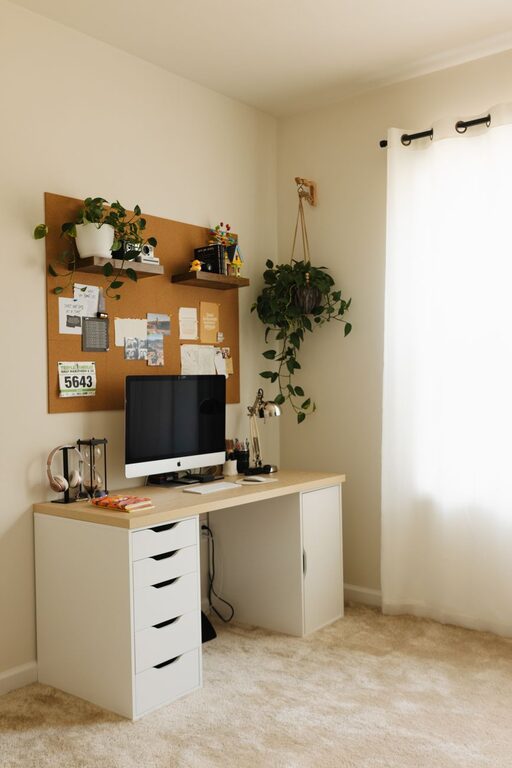
Creating a cozy and functional home workspace is key to maintaining productivity and comfort, especially when working or studying from home. A well-designed workspace can boost your focus, help you feel organized, and make those long hours more enjoyable. Whether you have a dedicated room or just a small corner, these tips will help you make the most of your area.
Choose the Right Location
The first step is selecting the optimal spot for your workspace. Consider these factors:
– Natural Light: Position your desk near a window if possible. Natural light can enhance your mood and reduce eye strain.
– Quiet Environment: Look for a space with minimal distractions and noise.
– Ventilation: Fresh air helps keep you alert, so choose a well-ventilated area.
– Space Availability: Make sure you have enough room for your desk, chair, and any equipment.
Invest in Comfortable and Supportive Furniture
Your chair and desk are the foundation of your workspace, so prioritize comfort and ergonomics.
– Ergonomic Chair: Choose a chair with adjustable height and good lumbar support to prevent back pain.
– Desk Size: Select a desk large enough for your computer, documents, and other tools without cluttering.
– Standing Desk Option: Consider a sit-stand desk if you want to alternate between sitting and standing.
Organize with Purpose
Clutter can distract and drain your energy. Use organizing tools to keep your workspace tidy.
– Storage Solutions: Use shelves, drawers, or filing cabinets to store papers and supplies.
– Desk Organizers: Pen holders, trays, and small containers keep essentials within reach.
– Cable Management: Use clips, ties, or boxes to keep cords neat and avoid tangles.
Personalize Your Space
Adding personal touches can make your workspace feel inviting and inspire creativity.
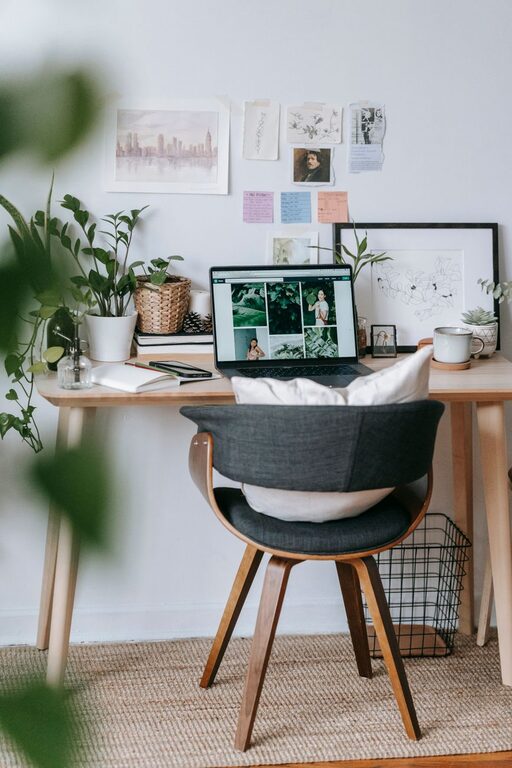
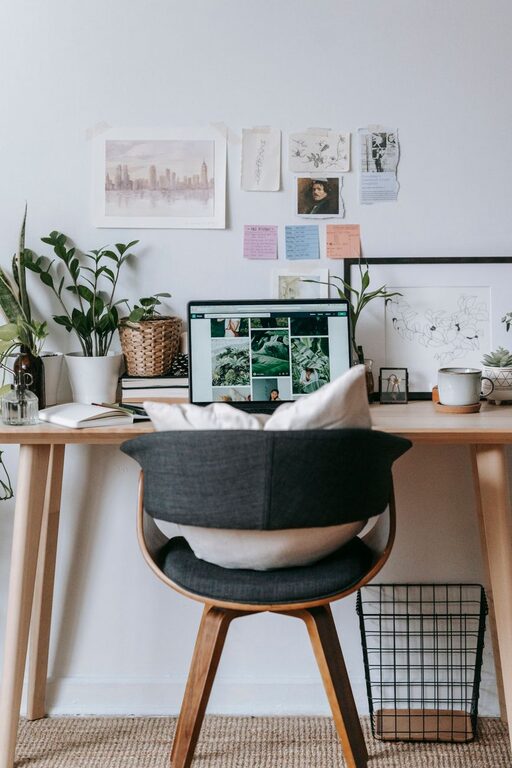
– Plants: A small indoor plant adds life and improves air quality.
– Art and Photos: Hang artwork or photos that motivate you.
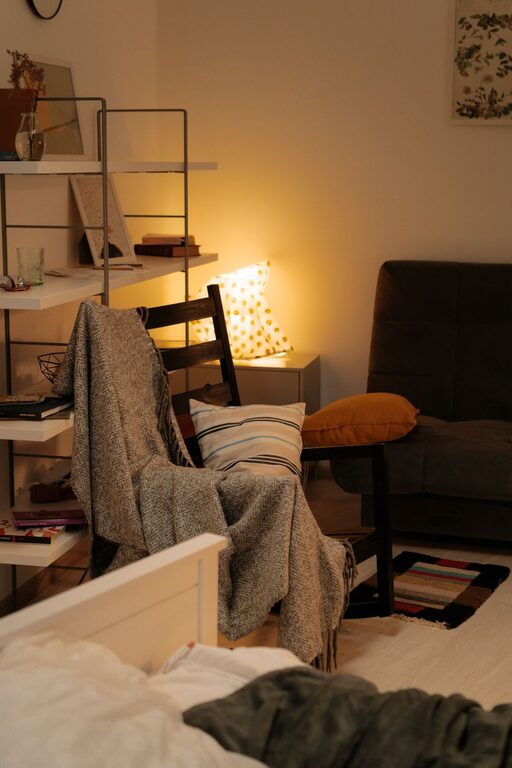
– Soft Textiles: Use a cozy rug or cushion for warmth and comfort.
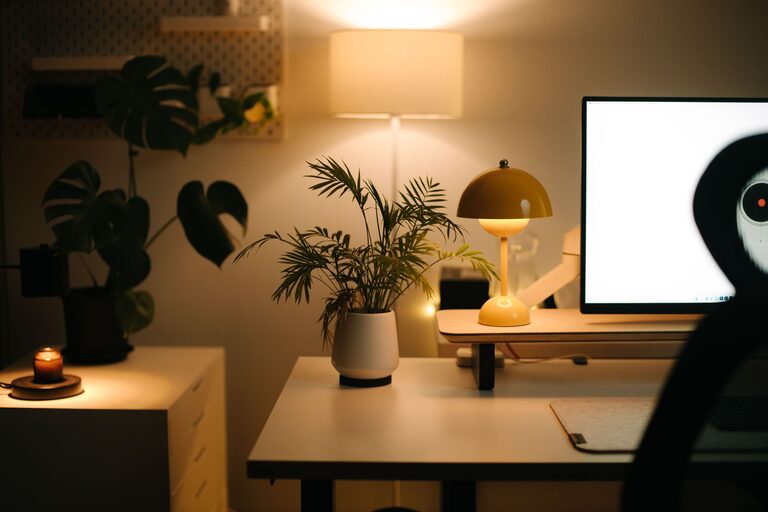
– Lighting: Add a desk lamp with adjustable brightness to complement overhead lighting.
Optimize Lighting
Good lighting reduces eye strain and improves focus.
– Natural Light: Maximize daylight but avoid glare on screens.
– Task Lighting: Use adjustable lamps to brighten your work area.
– Ambient Lighting: Soft overhead lighting creates a pleasant atmosphere.
Minimize Distractions
Keeping distractions at bay improves concentration.
– Noise Control: Use noise-cancelling headphones or white noise machines if needed.
– Declutter Regularly: A tidy space feels less distracting.
– Set Boundaries: Inform others in your home about your work hours.
Balance Functionality and Comfort
Striking the right balance between aesthetics and practicality ensures your workspace is enjoyable and efficient.
– Keep Essentials Handy: Arrange tools and devices for easy access while minimizing clutter.
– Comfortable Temperature: Use a fan or heater to maintain a comfortable temperature.
– Break Area: If space allows, create a small area to take short breaks and recharge.
Stay Connected with Technology
Ensure your home workspace is equipped for seamless communication and work.
– Reliable Internet: Invest in a high-speed internet connection.
– Quality Equipment: Use a good headset, webcam, and mouse to enhance your workflow.
– Charging Stations: Keep chargers organized and accessible.
Maintain Healthy Work Habits
Your workspace should support not only your tasks but also your well-being.
– Take Breaks: Stand, stretch, or walk around regularly.
– Posture Checks: Adjust your seating to avoid strain.
– Hydration: Keep water close to stay hydrated.
—
By following these tips, you can create a home workspace that feels comfortable, organized, and inspiring. A cozy yet functional setup encourages productivity while helping you enjoy your time spent working from home. Start designing your ideal workspace today!
About the Author